Furnace Maintenance Service in Manchester, MO, helps homeowners prepare their heating systems before Missouri’s first cold snap. A few simple steps, such as changing the air filter, checking the thermostat, and scheduling a professional furnace inspection, can help keep your home warm and reduce the risk of unexpected heating problems.
When temperatures drop in Manchester, Missouri, your furnace may need to work harder to maintain a comfortable indoor temperature. Preparing your heating system before freezing weather arrives can help improve its performance, support energy efficiency, and prevent avoidable breakdowns.
Why Should You Prepare Your Furnace Before the First Cold Snap?
You should prepare your furnace before the first cold snap because cold weather increases the demand on your heating system. If your furnace has a dirty filter, worn components, or an unnoticed mechanical problem, it may struggle to heat your home when you need it most.
Early preparation helps you identify small problems before they become expensive repairs. It can also help your furnace distribute warm air more evenly throughout your home.
For Manchester homeowners, preparing ahead of time is especially helpful because Missouri weather can change quickly during fall and early winter.
7 Ways to Prepare Your Furnace for Cold Weather
1. Replace or Clean Your Furnace Air Filter
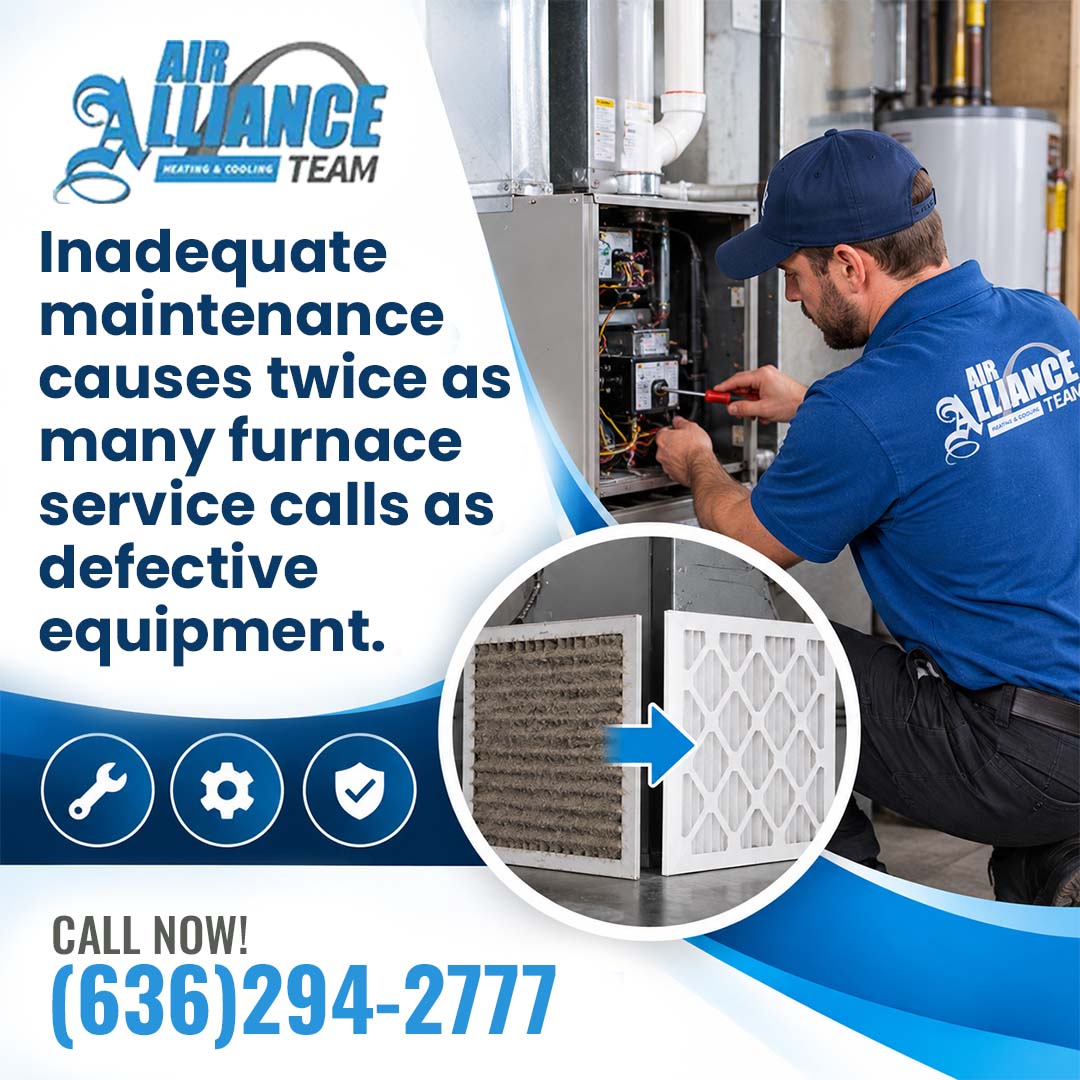
A clean air filter is one of the easiest ways to prepare your furnace for winter. Over time, dust, pet hair, and other particles collect in the filter and restrict airflow.
Restricted airflow can make your furnace work harder, reduce heating performance, and contribute to overheating.
Check your furnace filter before the first cold snap. Replace disposable filters or clean reusable ones according to the manufacturer’s instructions. During the heating season, check the filter monthly and replace it as needed.
2. Test Your Thermostat
Before cold weather arrives, make sure your thermostat is working correctly.
Set the thermostat to heating mode and raise the temperature a few degrees above the current indoor temperature. Your furnace should start after a short delay.
If the furnace does not respond, check the thermostat settings and batteries if applicable. Smart thermostat users should also confirm that their heating schedule is correct.
If the thermostat works but your furnace does not start, a professional HVAC contractor can help identify the problem.
3. Keep Air Vents and Returns Clear
Blocked vents can prevent warm air from moving properly through your home. Furniture, rugs, curtains, and other household items can restrict airflow and make some rooms feel colder than others.
Walk through your home and make sure supply vents and return air grilles are open and unobstructed. Avoid closing multiple vents to redirect heat because doing so can affect airflow and system performance.
Good airflow helps your heating system maintain more consistent indoor temperatures.
4. Check Your Furnace for Warning Signs
Before running your furnace regularly, pay attention to anything unusual.
Common warning signs include strange noises, burning or unusual odors, frequent cycling, weak airflow, and rooms that remain cold even when the thermostat is set correctly.
Some problems may be caused by a dirty filter or thermostat settings, while others may indicate a failing component or ignition issue.
If you notice repeated problems, arrange a professional furnace inspection rather than waiting for the system to stop working completely.
Safety tip: If you smell gas, leave the building without operating electrical switches or using anything that could create a spark. Contact your gas utility or emergency services from a safe location. If your carbon monoxide alarm sounds, get outside immediately and contact emergency services.
5. Make Sure Your Outdoor Exhaust and Intake Pipes Are Clear
Many high-efficiency furnaces use outdoor pipes to bring in combustion air and release exhaust gases. Leaves, snow, ice, and other debris can block these openings.
Before winter weather arrives, check the visible outdoor openings from a safe position. Keep them clear according to the manufacturer’s instructions, and never cover or modify them.
A blocked exhaust pipe can prevent a furnace from operating safely. If you suspect a blockage or notice an error code, contact a qualified HVAC technician.
6. Check Your Carbon Monoxide Detectors
Carbon monoxide is an odorless, colorless gas that can be dangerous. Fuel-burning heating equipment should be maintained properly, and working carbon monoxide alarms provide an additional layer of protection.
Test your carbon monoxide alarms according to the manufacturer’s instructions. Replace batteries when needed and follow the recommended replacement schedule for the alarm itself.
Place alarms in the locations required by local codes and the manufacturer’s guidance, particularly near sleeping areas.
Never ignore a carbon monoxide warning or assume that an unusual furnace smell will alert you to the danger.
7. Schedule Professional Furnace Maintenance
A professional furnace maintenance service can identify problems that are difficult to spot during a basic home inspection.
During a maintenance visit, a qualified HVAC technician may inspect the heat exchanger, burners, ignition system, electrical connections, safety controls, blower components, and other system parts as appropriate. The technician can also check airflow, inspect venting, and test the system’s operation.
Regular furnace maintenance helps identify worn or damaged components, supports safe operation, and may reduce the chance of an unexpected breakdown during freezing weather.
Scheduling maintenance before the busiest part of the heating season also gives you more time to address any problems before your home depends on the furnace every day.
When Should Manchester Homeowners Schedule Furnace Maintenance?
Manchester homeowners should ideally schedule furnace maintenance in early fall, before temperatures drop and heating demand increases.
However, if you have not serviced your furnace yet, it is still worth arranging an inspection before the first cold snap.
Do not wait for a complete heating failure if your furnace is making unusual noises, producing weak airflow, or struggling to maintain the temperature you set. Early attention may help prevent a minor issue from becoming a larger repair.
If your furnace is older, has needed frequent repairs, or takes longer than usual to heat your home, ask an HVAC professional whether additional inspection or repair is needed.
Can Furnace Maintenance Help Lower Heating Bills?
Yes, proper furnace maintenance can help support energy efficiency and reduce wasted energy. A clean filter, correct airflow, and properly operating components allow your heating system to work as intended.
However, maintenance cannot guarantee lower bills. Your energy costs also depend on outdoor temperatures, insulation, air leaks, thermostat settings, furnace efficiency, and how often you use your heating system.
To manage winter heating costs, keep your thermostat at a comfortable setting, seal drafts around windows and doors, and make sure your attic and other insulated areas are in good condition.
If your furnace runs constantly but your home still feels cold, a technician can check whether the problem involves the furnace, ductwork, airflow, or the home’s heating needs.
Should You Repair or Replace Your Furnace Before Winter?
The right choice depends on your furnace’s age, condition, repair history, and overall performance.
A repair may be appropriate when the problem is limited to a faulty component and the system is otherwise in good condition. However, if your furnace requires frequent repairs, struggles to heat your home, or has a major component failure, replacement may be worth considering.
A qualified HVAC contractor can inspect your system, explain the available options, and help you compare repair costs with the long-term benefits of installing a new, energy-efficient furnace.
You do not need to replace a furnace simply because winter is approaching. The decision should be based on its condition, safety, performance, and repair costs.
Get Your Furnace Ready for Missouri’s First Cold Snap
Preparing your furnace before winter starts can help keep your Manchester home comfortable when temperatures drop. Changing the air filter, testing your thermostat, clearing vents, checking safety alarms, and scheduling professional maintenance are practical steps you can take before the first cold snap.
If your heating system needs attention, working with an experienced HVAC contractor can help you identify potential problems and prepare for the colder months ahead.
Air Alliance Team provides heating and cooling services for homeowners in Manchester, MO, and surrounding communities. Whether you need a furnace inspection, routine heating maintenance, or help troubleshooting a heating problem, the team can help you prepare your system for winter.
Contact the Air Alliance Team today to schedule furnace maintenance before the next cold snap.
Phone: (314) 433-5475
Email: info@airallianceteam.com
Website: https://airallianceteam.com/