
Spring weather in Missouri often shifts from cold mornings to warm afternoons, and your furnace must respond to those changes without delay. If your current unit is older, noisy, or costly to run, it may be time to consider heating system installation near you before seasonal swings place more strain on the equipment. Air Alliance Team helps homeowners choose and install properly sized furnace systems that deliver steady heat, lower fuel waste, and dependable daily performance. We use proven installation methods based on your home’s layout, heating demand, and existing ductwork.
Small furnace problems often grow during changing weather, leading to weak airflow, uneven temperatures, or rising utility bills. Professional heating system repairs can correct these issues before they turn into larger failures. We provide direct service, clear recommendations, and reliable solutions that protect your comfort.
Why Furnace Installation Timing Matters Before Spring Temperature Changes
Heating system installation before spring temperature swings helps maintain stable indoor comfort and reduces strain on residential heating equipment. Spring in Missouri often brings cold mornings followed by warmer afternoons. Your heating system must adjust several times in one day. That repeated demand can be difficult for older furnaces that already have worn motors, sensors, or ignition parts. If your unit struggles during winter, spring weather may expose those weaknesses even more clearly.
Temperature Fluctuations and Home Heating Demand
Temperature changes increase heating demand and reduce efficiency in aging systems. Your furnace reacts to thermostat calls based on indoor and outdoor conditions. During spring swings, it may start and stop many times each day. Frequent cycling adds wear to blower motors, burners, and control components.
Older systems often lose efficiency as parts age. Rooms may feel warm in one area and cool in another. That uneven heating is a common sign that the system is no longer performing at a strong level. Without proper installation, airflow balance and temperature control often remain inconsistent.

Risks of Delaying Furnace Replacement or Installation
Delaying heating system installation increases repair frequency, energy costs, and system instability. Waiting too long can leave you dealing with avoidable service calls during the next cold spell. Common results include:
- Higher utility bills
- Repeated repairs
- Reduced airflow or weak heat output
- Unexpected shutdowns
Many furnaces begin showing a steady decline after 15 years of service, especially if maintenance has been inconsistent.
Benefits of Preparing Before Seasonal Shifts
Early heating system installation supports stable performance during temperature transitions. Scheduling installation before heavy summer demand gives you more flexibility for appointments and system selection.
Technicians can complete setup, airflow checks, and thermostat calibration under milder conditions. You gain steadier comfort, fewer interruptions, and better year-round performance.
What Homeowners Gain From Professional Furnace Installation
Professional furnace installation improves energy efficiency, indoor comfort, and long-term system performance. Correct installation directly affects system output and operating costs over time.
Energy Efficiency and Reduced Utility Costs
Proper installation reduces energy consumption and lowers monthly utility bills. Modern systems often reach AFUE ratings above 90%, meaning most fuel is converted into usable heat.
Efficient installation supports lower operating costs and more stable system performance during seasonal changes.
AFUE stands for Annual Fuel Utilization Efficiency. It measures how much fuel becomes usable heat over a heating season. The U.S. Department of Energy states that older furnaces may operate at 56% to 70% AFUE, while modern high-efficiency models can reach 90% to 98.5% AFUE. That difference can reduce wasted fuel and lower heating expenses. You benefit most when the unit is installed with proper venting, airflow settings, and thermostat calibration.
Consistent Indoor Comfort Across Rooms
Professional installation improves airflow balance and maintains even temperatures throughout the home. Uneven heating often results from incorrect sizing or duct issues. Proper heating system services align airflow with the home layout.
This reduces cold spots and improves comfort consistency in all rooms. Many homeowners notice one room feels warm while another stays cold. This often comes from airflow restrictions, poor duct design, or an oversized furnace that cycles too quickly.
A professional installer checks duct connections, return airflow, and room-by-room heating demand. You receive steadier temperatures throughout bedrooms, living spaces, and upper floors.
Improved System Lifespan and Performance
Correct installation reduces system strain and extends equipment lifespan. Improper setup can cause restricted airflow or overheating. These conditions increase wear on internal components.
Proper installation supports balanced operation and reduces long-term maintenance needs. If your furnace runs under constant strain, motors, heat exchangers, and blower parts wear faster. A well-installed system operates with better balance and fewer service issues over time.
Signs You Need Heating System Installation or Replacement
Heating system installation becomes necessary when system performance declines, repair needs increase, or equipment reaches end-of-life. Homeowners can identify replacement needs through visible changes in system behavior.
Rising Energy Bills and System Inefficiency
Higher energy bills often indicate reduced system efficiency. Older systems lose performance as internal parts wear down. Burners, motors, and heat exchangers can become less effective over time. This forces the unit to run longer heating cycles.
You may notice:
- Longer run times during cold mornings
- Higher monthly gas or electric bills
- Rooms that take longer to warm up
- More strain during weather changes
When efficiency drops, heating system repairs may provide only short-term relief.
Uneven Heating and Airflow Issues
Uneven temperatures indicate airflow imbalance or system limitations. Temperature differences from room to room often point to airflow problems or system limits. If one area feels warm while another stays cold, the heating system may no longer match your home’s needs.
Common causes include:
- Restricted ductwork
- Weak blower performance
- Incorrect system sizing
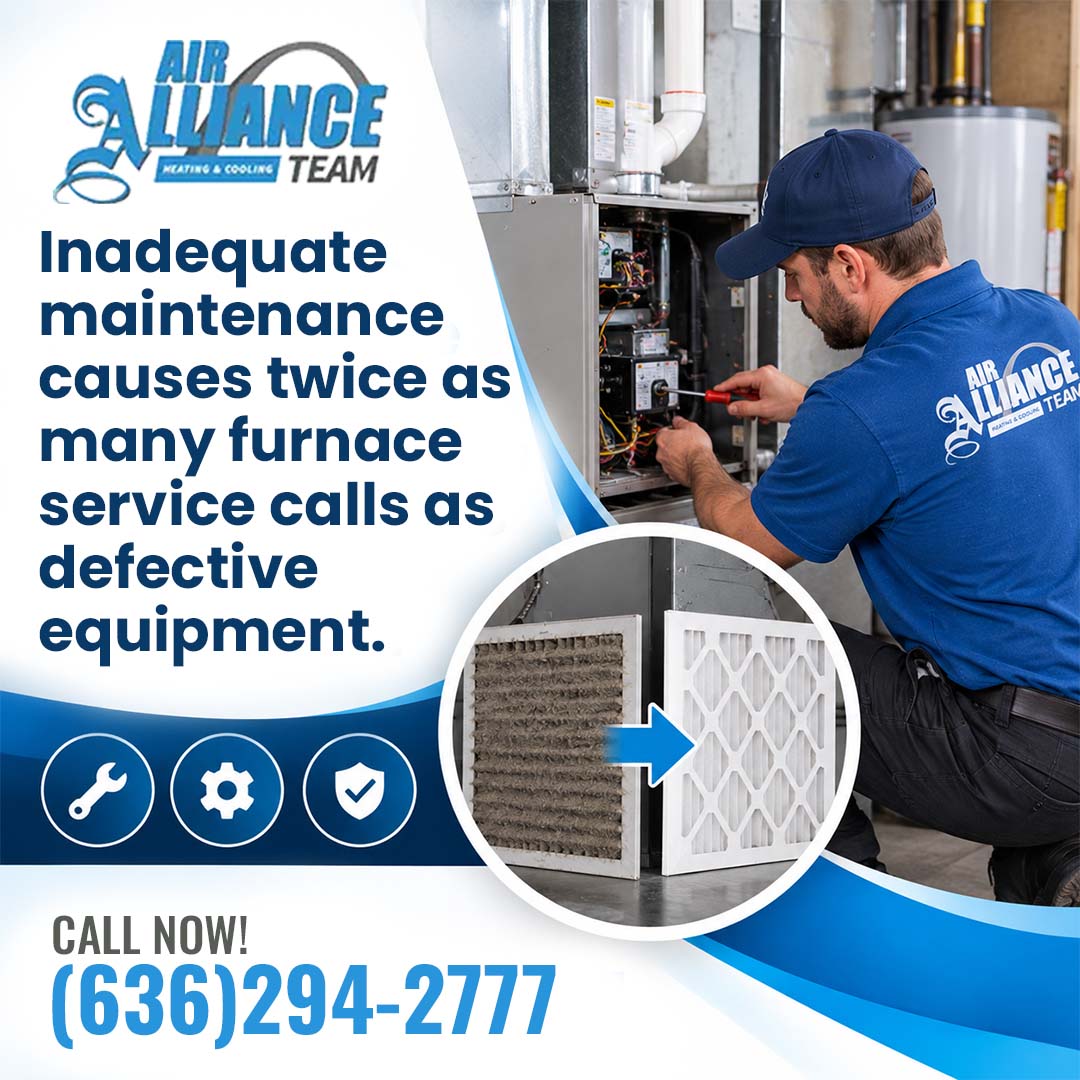
- Dirty filters reducing airflow
- Aging components losing output capacity
These issues can increase heating cycles and place more wear on the furnace. You may also feel drafts or notice weak airflow from supply vents.
Frequent Furnace Repairs and System Age
Frequent breakdowns combined with older system age indicate reduced reliability. Most furnaces last 15 to 20 years, depending on maintenance history and usage levels. After that range, parts wear faster, and failures become more common.
Signs replacement may be the better option:
- Two or more repairs in one heating season
- Expensive part failures
- Difficulty finding replacement parts
- Ongoing comfort issues after repairs
At this stage, full installation often becomes more cost-effective than continued repairs.
How Heating System Installation Works for Residential Homes
Heating system installation follows a structured process that supports correct sizing, safe setup, and reliable performance. Each step of heating system services focuses on accuracy and system longevity.
Home Evaluation and System Sizing
Correct system sizing matches furnace capacity with home heating demand. A furnace should match the actual needs of your home. A unit that is too small may run longer and struggle to heat rooms evenly. A unit that is too large may cycle too often, which can increase wear on parts.
Several factors that should be reviewed before recommending a system:
- Home square footage
- Insulation levels
- Window placement and heat loss areas
- Existing ductwork condition
- Airflow requirements by room
- Ceiling height and layout design
Incorrect sizing can reduce efficiency based on HVAC performance data. Real property measurements should be used instead of guesswork, so your system fits your home properly.
Furnace Selection Based on Household Needs
Furnace selection depends on efficiency rating, home size, and comfort needs. Every household uses heat differently. Some families prefer steady temperatures all day, while others adjust settings based on schedules.
Common system options include:
- High-efficiency gas furnaces
- Standard-efficiency models
- Variable-speed systems
- Smart thermostat-compatible units
Proper selection improves heating system performance and energy use. It also helps reduce temperature swings between rooms and lowers strain on the equipment.
Installation, Testing, and System Setup
Installation includes system placement, connection, calibration, and performance testing. Once the furnace is selected, we move into the installation phase with attention to detail. Every connection and setting affects how the unit performs over time.
Technicians complete:
- Safe system installation
- Electrical or gas connections
- Thermostat setup
- Airflow verification
- Filter placement
- Startup cycle testing
Final testing confirms system readiness. At Air Alliance Team, we follow this process to give homeowners reliable heating performance built around real household needs.

Why Choose Air Alliance Team for Furnace Installation
Homeowners want steady heating performance, clear communication, and dependable service from a contractor they can reach without delay. Air Alliance Team delivers furnace installation backed by long-standing field experience and local service coverage across Missouri. You work with a team that handles heating system installation near you with a direct approach focused on proper system setup and lasting performance.
Licensed HVAC Technicians With 35+ Years Experience
Our technicians bring decades of experience in heating system installation and repairs. We rely on field experience gained over more than 35 years working with residential HVAC systems across different home sizes and layouts. Every technician on our team holds proper licensing and insurance, and we train them on current installation standards used in modern heating systems.
You benefit from work completed with attention to system sizing, airflow balance, and equipment compatibility. We handle both new installations and repair work with the same level of care, which reduces repeat issues and supports steady system performance over time. Our experience helps us spot installation issues early, which lowers the chance of uneven heating or early system wear.
Local Service in Ballwin, St. Charles, and Cottleville
Air Alliance Team provides local installation services across Ballwin, St. Charles, and Cottleville, MO. We work directly within these communities, so we understand how Missouri weather patterns affect home heating needs. Cold snaps, sudden temperature drops, and seasonal transitions all place different demands on furnace systems, and we account for that during installation and service.
You get faster response times and service from technicians who are familiar with local housing structures and HVAC setups. We also support homeowners with heating system repairs in these same areas, which helps reduce downtime when systems stop performing correctly.
Honest Pricing, Reliable Service, and Long-Term Support
We provide transparent pricing, dependable installation, and ongoing support for all heating system services. We give clear cost details before any work begins, so you know what to expect without hidden charges. Our installation process stays direct and organized, focusing on correct setup and system testing before completion.
Our support does not stop after installation. We offer maintenance options that help extend system life and reduce repair needs. These services include seasonal checkups, system cleaning, and performance checks that keep heating systems working consistently through changing weather.
Schedule Your Furnace Installation with Air Alliance Team
If your furnace is showing uneven heating, rising bills, or frequent shutdowns, now is the right time to act. Air Alliance Team provides heating system installation near you with licensed technicians, clear pricing, and service built around residential needs. You receive support from a team that handles both installation and ongoing system care across Missouri.
Contact us at (314) 433-5475 or email info@airallianceteam.com to schedule service. Our team is ready to help with installation and repairs so your home stays steady through seasonal temperature changes.