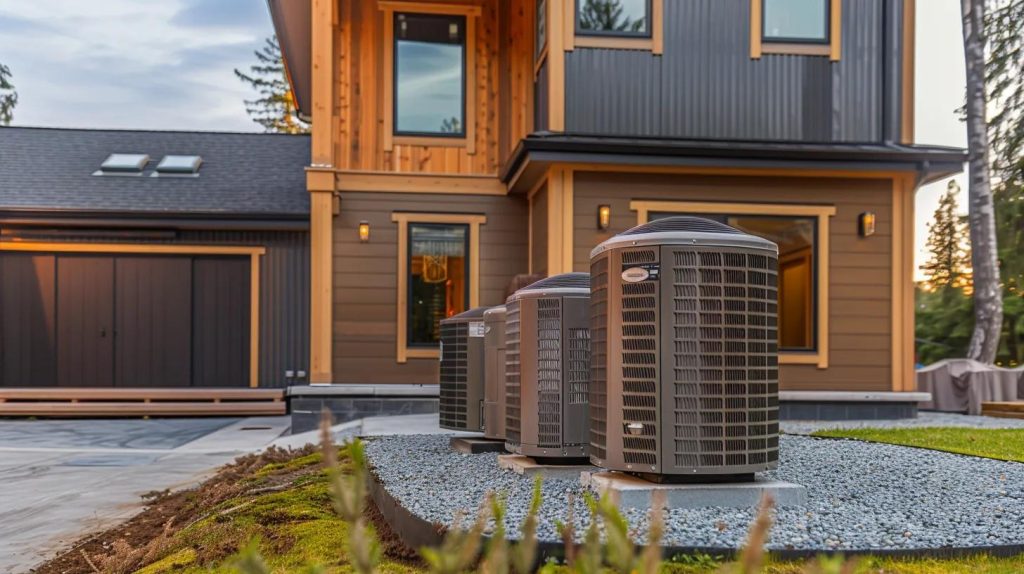
Heating system installation involves selecting, sizing, and fitting a heat source, like a furnace, heat pump, or boiler, for reliable, efficient comfort. This guide explains installation, proper sizing, professional commissioning, and what Ballwin homeowners should expect when replacing or upgrading. We cover system pros/cons, costs, local permitting, contractor verification, and a step-by-step timeline specific to Ballwin, MO. Maintenance advice and a heating repair in Ballwin checklist are also included.
What Are the Best Heating Systems to Install in Ballwin, MO?
- Gas or electric furnaces: Best when existing ductwork is in good condition and high heat output is needed for older, leakier homes.
- Air-source heat pumps: Efficient for modern, well-insulated homes and increasingly viable in Ballwin winters with cold-climate models.
- Boilers: Ideal for homes with radiators or in-floor hydronic systems where even radiant heat and humidity control matter.
How Do Furnaces Compare to Heat Pumps and Boilers for Ballwin Homes?
What Are the Benefits of Geothermal and Ductless Mini-Split Systems in Ballwin?
Geothermal heat pumps offer highest seasonal efficiency, leveraging stable ground temperatures for substantial operating cost reduction. They require significant upfront excavation, ideal for new construction or large-yard retrofits. Ductless mini-splits provide zoned heating/cooling without ductwork, minimizing distribution losses for targeted comfort. Both improve home efficiency, but payback varies. Weigh installation invasiveness, space, and long-term energy goals.
System Type | Pros / Cons | Best for Ballwin |
|---|---|---|
Furnace (gas/electric) | Pros: high output, familiar technology. Cons: lower efficiency than heat pumps, needs good ductwork. | Older homes with existing ducts or where high heat output is required. |
Air-source Heat Pump | Pros: high efficiency, cooling included. Cons: cold-weather performance varies by model. | Well-insulated homes or new builds; consider cold-climate models for Ballwin. |
Boiler (hydronic) | Pros: even radiant heat, humidity benefits. Cons: higher retrofit cost, complex piping. | Homes with existing radiators or where radiant comfort is preferred. |
Geothermal | Pros: very high efficiency, stable performance. Cons: high upfront excavation cost. | New construction or large yards where ground loop installation is feasible. |
Ductless Mini-Split | Pros: zonal control, no duct losses. Cons: aesthetic and multiple indoor units may be needed. | Additions, homes without ducts, or zone-specific comfort upgrades. |
How Much Does Heating Installation Cost in Ballwin, MO?
- Equipment selection and efficiency: Higher AFUE/HSPF units cost more but lower operating expenses.
- Ductwork condition and modifications: Repairing or replacing ducts adds significant labor and materials.
- Labor, permits, and disposal: Access, code compliance, and removal of old equipment influence final invoices.
Cost Factor | Typical Range |
|---|---|
Equipment (furnace/heat pump/boiler) | $2,000–$8,000+ |
Labor and installation | $1,000–$4,000 |
Ductwork repairs/modifications | $500–$4,000 |
Permits and inspections | $50–$500 |
Disposal and extras | $100–$800 |
What Factors Influence Furnace Replacement and Heat Pump Installation Costs?
Which Rebates and Financing Options Are Available for Ballwin Heating System Installation?
Why Choose Licensed and Certified Heating Contractors in Ballwin?
Licensed and certified heating contractors protect homeowners by ensuring installations meet local building codes, safety standards, and manufacturer warranty requirements. Licensing and insurance reduce homeowner liability. Certifications like NATE and manufacturer training indicate technicians understand load calculations, refrigerant handling, and proper combustion setup. Professional installation improves energy efficiency and system longevity. Licensed contractors also handle permits, inspections, and warranty registration.
- Local licensing: Verifies permitted work and code knowledge for Ballwin and nearby municipalities.
- NATE certification: Demonstrates technician-level competency on installation and troubleshooting.
- Manufacturer training: Ensures knowledge of model-specific commissioning and warranty requirements.
- Proof of insurance and references: Confirms liability coverage and documented work quality.
How Does Professional Ballwin Heating Installation Service Improve Energy Efficiency and System Longevity?
Professional Ballwin heating installation services directly impact and ensure efficiency through correct component sizing (Manual J), precise refrigerant charging, secure duct sealing, and proper airflow balancing. These reduce short cycling, improve comfort, and prevent premature wear. Certified technicians perform commissioning tests, verify control integration, and document performance parameters to meet warranty conditions and realize energy savings. Ensure these steps are in your written estimate.
What Is the Step-by-Step Process for Heating System Installation in Ballwin?
A typical heating system installation follows a predictable workflow: consultation, system selection/permit procurement, scheduling/site preparation, installation/testing/commissioning, and post-installation support. This process ensures each stage, from sizing (Manual J) to final airflow balancing- protects efficiency and safety while meeting Ballwin code requirements. Understanding the timeline helps you plan for access and walkthroughs.
- Consultation and load calculation: Contractor inspects the home, performs Manual J sizing, and discusses efficiency and budget goals.
- Permits and scheduling: Contractor secures permits and coordinates delivery and crew scheduling to minimize disruption.
- Installation day: Removal of old equipment, system installation, ductwork modifications, and safety checks are performed.
- Commissioning and handover: Technicians test system performance, set controls, and provide homeowner walkthrough and documentation.
When Should Ballwin Homeowners Replace or Upgrade Their Heating Systems?
- System age over expected lifespan: Older furnaces and heat pumps lose efficiency and reliability.
- Rising repair frequency and cost: Multiple repairs within a season signal declining component reliability.
- Higher energy bills and comfort issues: Persistent cold spots or steep energy increases despite repairs.
What Are the Common Signs You Need a New Furnace or Heat Pump?
Prioritized signs for replacement include persistent performance degradation, increased noise/corrosion, frequent Ballwin heating installation services calls with escalating costs, and safety signals like pilot irregularities. If repair costs over two years approach half the cost of a new high-efficiency system, or if the system fails to maintain setpoints, replacement is strongly considered. Energy bills are climbing despite consistent weather, suggesting declining efficiency.
How Can Upgrading Your Heating System Lower Energy Bills and Improve Comfort?
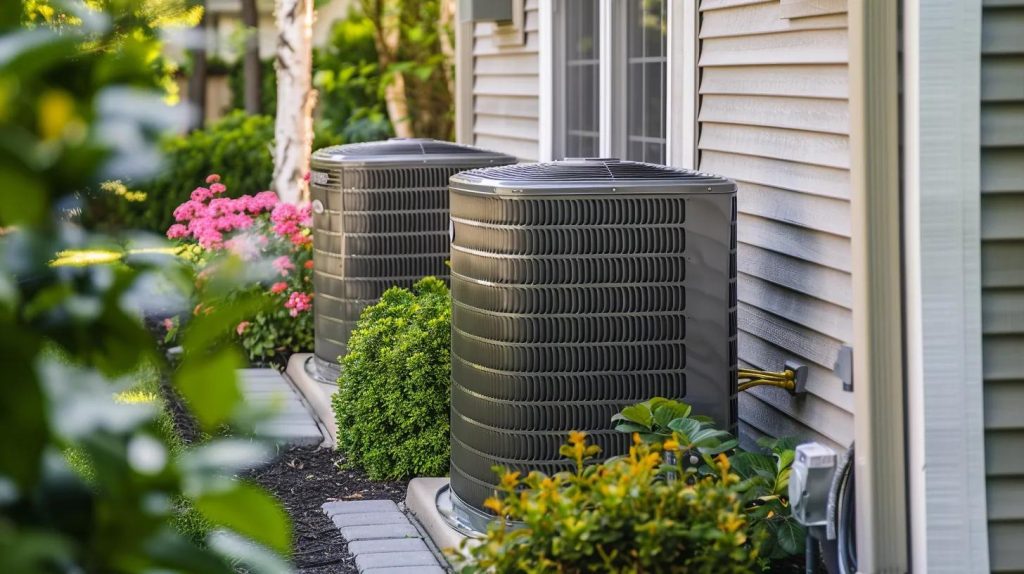
Upgrading to modern, high-efficiency equipment significantly reduces fuel/electricity consumption; modern heat pumps and high-AFUE furnaces offer double-digit percentage gains. Improved comfort stems from features like variable-speed blowers, modulating burners, and zoning controls that maintain consistent temperatures and reduce drafts. Smart thermostats further refine schedules and capture energy savings. Lower operating costs and fewer repairs often offset initial investment, delivering measurable energy savings and enhanced comfort.
How Can Ballwin Residents Maintain Their Heating Systems for Optimal Performance?
Regular maintenance preserves efficiency, reduces heating repair in Ballwin frequency, and supports indoor air quality by keeping filters, coils, and ducts clean. Scheduled tune-ups catch small issues before system failures. A typical annual service includes inspection of components, cleaning, refrigerant charge verification, airflow testing, and safety checks—all linked to preserving performance and component life. Maintenance plans reduce downtime risk and help warranty compliance.
What Are Recommended HVAC Maintenance Plans for Ballwin Homes?
Recommended maintenance plans come in tiers: a basic annual tune-up (safety/performance checks), a full-service plan (adds filter replacement, coil cleaning), and a priority plan (guaranteed response, discounted repairs). A standard tune-up includes thermostat calibration, airflow checks, burner/ignition inspection, safety control tests, and basic cleaning. Maintenance agreements document visits and facilitate warranty compliance. Choose a plan based on system complexity and priority response preference.
How Does Regular Maintenance Affect Indoor Air Quality and System Efficiency?
- Get multiple on-site quotes: Compare like-for-like equipment and scope.
- Verify credentials: Check licensing, certifications, and insurance before hiring.
- Request written warranty and maintenance plan details: Ensure long-term support and performance.
Conclusion
Investing in a new heating system installation in Ballwin ensures optimal comfort, energy efficiency, and long-term savings for homeowners. By understanding the various system options and their benefits, you can make an informed decision that aligns with your specific needs and budget. Don’t hesitate to reach out to licensed contractors for personalized assessments and to explore available financing options. Start your journey towards a more efficient home today by requesting a consultation with a trusted local expert.